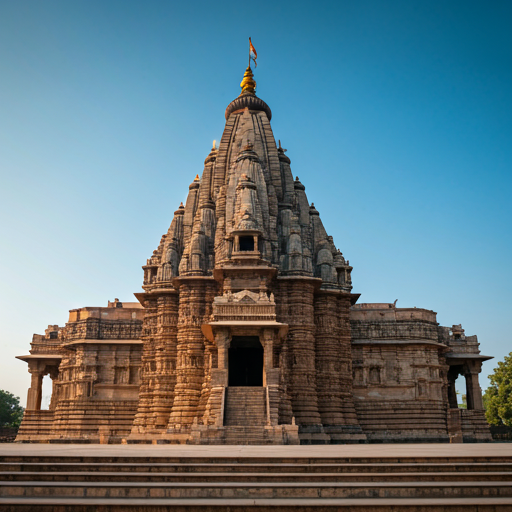
“According to ancient Shastras, Ujjain is the navel of the earth, where planetary energies are most responsive to Vedic sound vibrations.”
Depending on the placement of Rahu in different bhavas, Kaal Sarp Yog is traditionally classified into multiple forms such as: Anant, Kulik, Vasuki, Shankhpal, Padma, etc. Each variation influences different life areas based on house placement and drishti of benefic or malefic grahas.
Astronomical Foundation
Rahu and Ketu are not physical planets but chhaya grahas (mathematical points).
They represent the intersection of the Moon’s orbit with the ecliptic.
Eclipses occur when Surya and Chandra align near these nodes.
Hence, their placement in the horoscope is linked with karmic shadow patterns and subconscious tendencies.
Vedic Significance
Divine Benefits
Experiencing the transformative power of a properly conducted Vedic ritual.
Mental Shanti
Relief from persistent anxiety, fear of the unknown, disturbed sleep, and emotional instability.
Career Pragati
Gradual removal of professional hurdles and clarity in life direction.
Family Samanvay
Reduction in long-standing disputes and strengthening of marital harmony.
Karmic Santulan
Spiritual purification and strengthening of weakened planetary influences.
Temple Gallery
Ritual Process & Vidhi
Sankalp & Ganesh Pujan
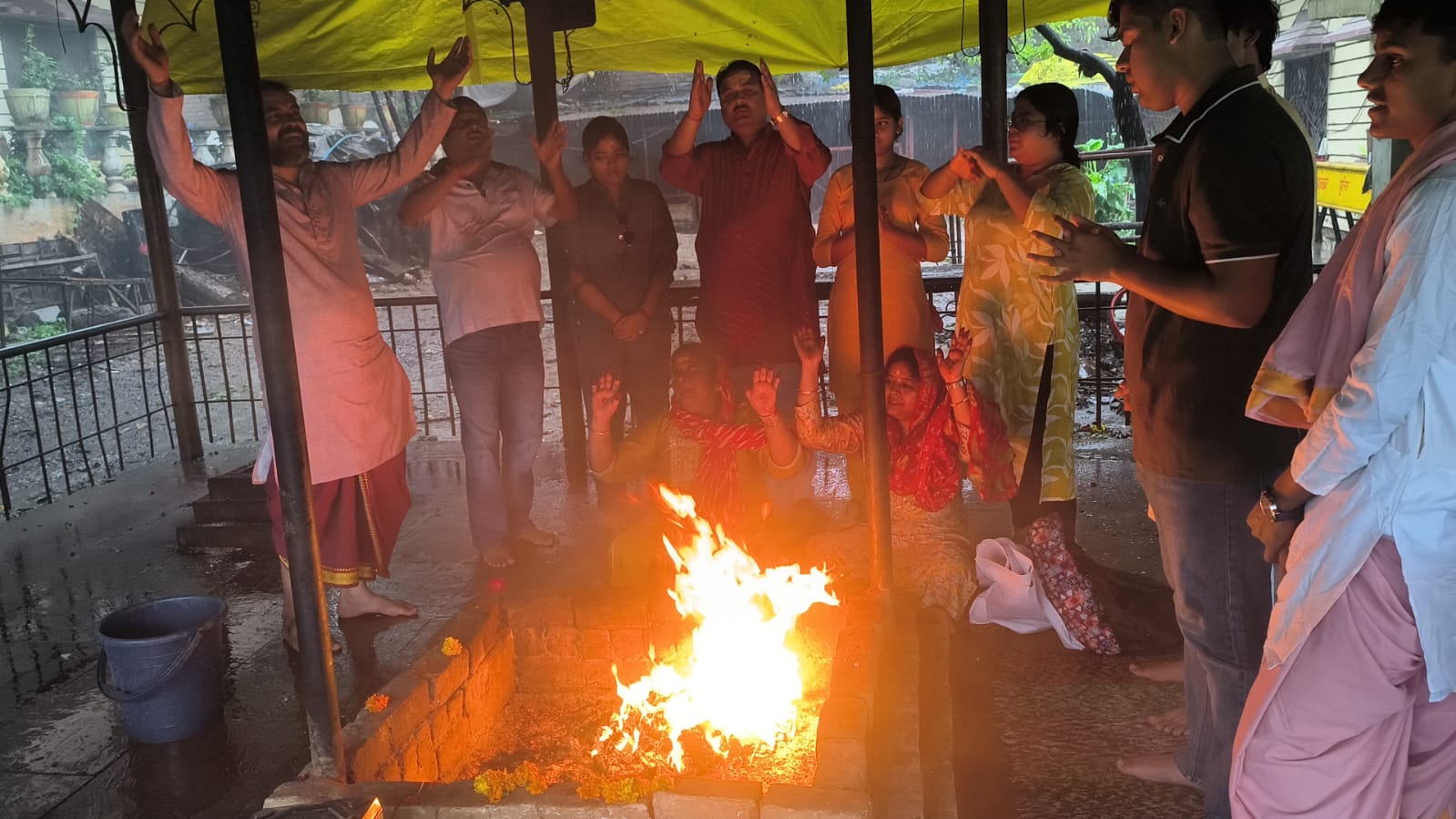
Devotee details (Naam, Gotra, Rashi, Nakshatra) are formally invoked before Agni and Kalash. Ganesh Pujan ensures removal of ritual obstacles.
Kalash Sthapana & Navgraha Aavahan
Sacred Kalash is established invoking Navgraha energies before beginning Rahu–Ketu Shanti.
Naag–Naagin Abhishek
Silver idols symbolizing serpentine cosmic energy are bathed with Panchamrit and Vedic mantras.
Rahu–Ketu Beej Mantra Jaap
Chanting performed in fixed counts (traditionally 108, 1008, or as per sankalp), often accompanied by Mahamrityunjaya Mantra.